

Famously called the “Land of the Rising Sun,” Japan is an island country in East Asia that is one of the world’s most developed nations and super powers. It is also well-known around the world for its history and culture, and is considered a cultural superpower especially in the fields of cuisine, art, architecture, film, music, and popular culture (such as manga, anime, fashion, and video games).
About Japan
Famously called the “Land of the Rising Sun,” Japan is an island country in East Asia that is one of the world’s most developed nations and super powers. Its economy is the world's third-largest by nominal GDP (Gross Domestic Product) and the fourth-largest by PPP (Purchasing Power Parity). A global leader in the automotive, robotics and electronics industries, the country has made significant contributions to science and technology. Japan is also well-known around the world for its history and culture, and is considered a cultural superpower especially in the fields of cuisine, art, architecture, film, music, and popular culture (such as manga, anime, fashion, and video games).
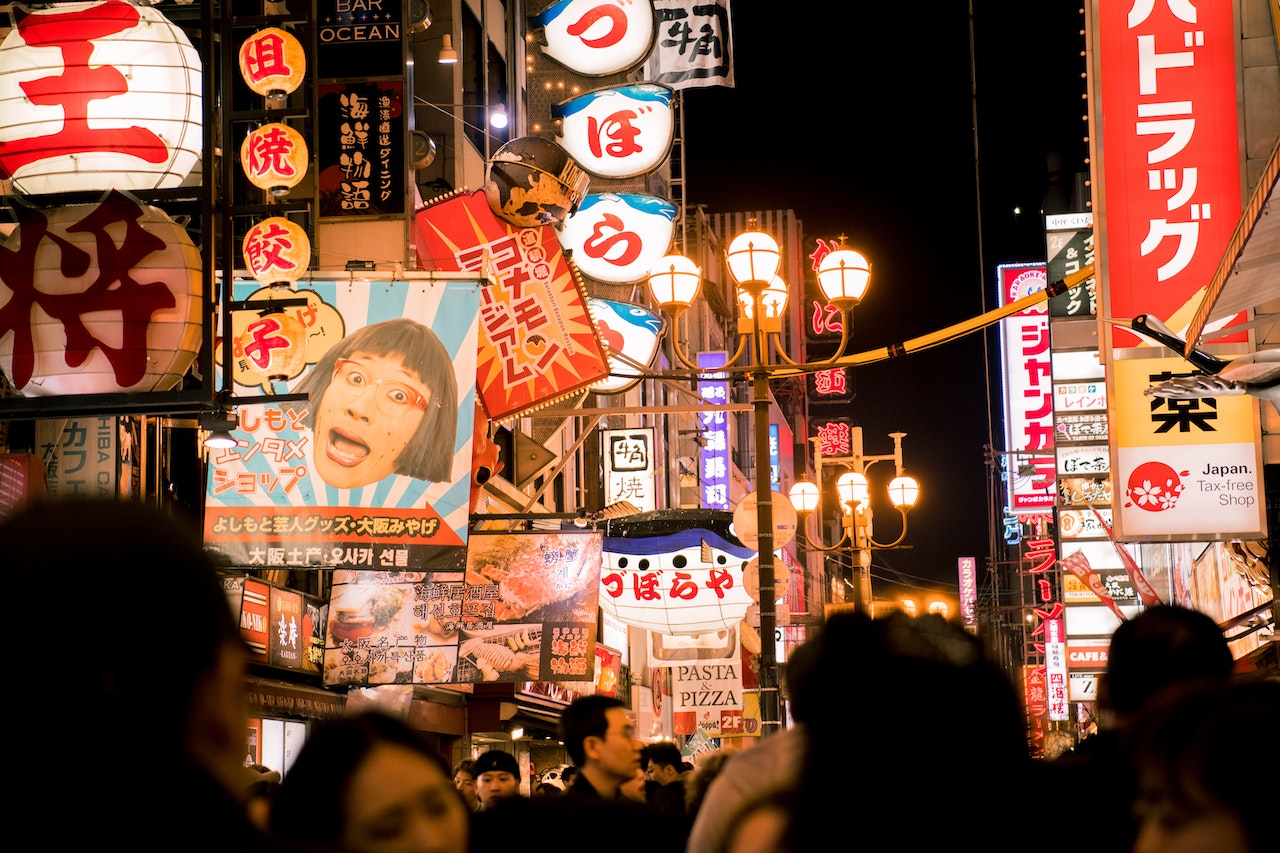
A fascinating and unique country where ancient traditions fuse with hi-tech modernity, the Land of the Rising Sun features serene ancient temples and Shinto shrines sitting alongside garish neon wonderlands and swathes of pristine nature offer pockets of tranquility and beauty amidst the frenetic hubbub of megapolises filled with the blaring sights and sounds of karaoke, anime, konbini (convenience stores), and an overload of kawaii (cuteness).
Attractions and Things to Do
Whether you are visiting Japan for the first or fifteenth time, these top experiences showcase the best the country has to offer, both modern and traditional—from quirky cafes and futuristic capsule hotels to hot springs and ryokans nestled on emerald mountains. There is so much that Japan offers, you really won’t be able to take them all in whether you stay for a few days or even a few months. Japan will both delight you instantly and have you coming back to discover more of its infinite secrets.
Hiroshima Peace Memorial Park. Despite the horrors of the atomic bombing of Hiroshima in August 1945, the incredible efforts this vibrant city has made to not only rebuild but also commemorate the many victims of the world's first nuclear attack to make the city a global symbol of lasting peace is a miraculous feat worth a visit to Japan.
Visited by more than a million people each year, many from overseas, Hiroshima Peace Memorial Park (Hiroshima Heiwa Kinen Kōen) lies at the epicenter of the atomic blast in what was once a bustling part of the city. Here you'll find a number of important monuments, memorials, and museums relating to the events of that fateful day.
In addition to the grounds and gardens with their colorful cherry blossoms, the park is where you'll find the Peace Memorial Museum, with its numerous exhibits dealing with the issue of world peace; the Memorial Cenotaph and the Flame of Peace, as well as the Atom Bomb Dome, the remnants of an administrative building that lay at the center of the explosion.
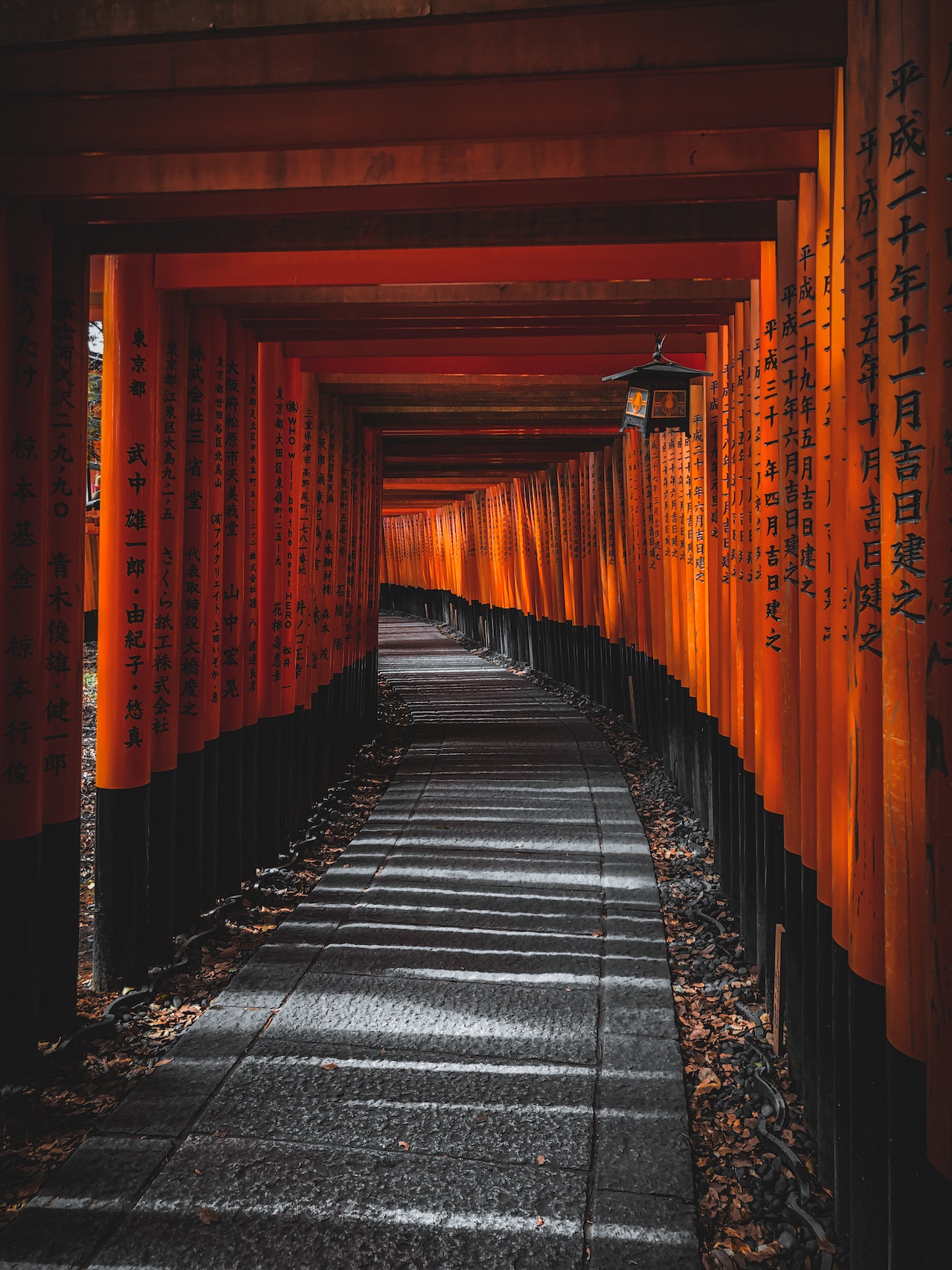
With over 2000 exquisite temples as well as being Japan’s traditional culture hub, Kyoto is where traditional Japan can be best seen and experienced. Highlights of Kyoto's Buddhist-influenced architecture include its many well-preserved temples and shrines, 30 of which are still in use, and important structures such as the 14th-century Golden Pavilion (Kinkaku-ji), famous for its exquisite gold-leaf-clad exterior; the Fushimi Inari shrine is found in southern Kyoto, made famous for the thousands of scarlet-colored torii gates that arch over a web of trails towards the forest around Mt. Inari.
For a taste of how life was like in ancient Japan, visit the original Kyoto Imperial Palace (Kyoto-gosho) built in AD 794; Nijo Castle, a 17th-century fortress that has retained its original walls, towers, and moat or take an evening stroll through lantern-lit streets lined with 17th-century traditional restaurants and teahouses in the Gion entertainment and geisha quarter.
Finally, no visit to Kyoto is complete without spending time exploring the Arashiyama Bamboo Grove. This beautiful garden of tall bamboo is just a few minutes' walk from the town center.
If you are looking for a “real Tokyo experience,” an unquestioned must-visit for any trip to Tokyo is Shibuya Crossing. The busiest pedestrian scramble crossing in the world with about 3,000 people crossing it at a single time during the peak of rush hour, Shibuya Crossing features three giant television screens mounted on the buildings facing the intersection that flash 24/7, while the rest of the area is a sensory blast of colorful lights and advertisements.
And while crossing on your way to the uber busy JR Shibuya Station, don’t forget to pass by one of Japan's unofficial landmarks, the Hachiko statue which is a loving homage to the faithful Akita dog who waited at Shibuya Station every day for his master, even after his death. Today, it’s one of the most popular meeting places in Tokyo.
Tours Available
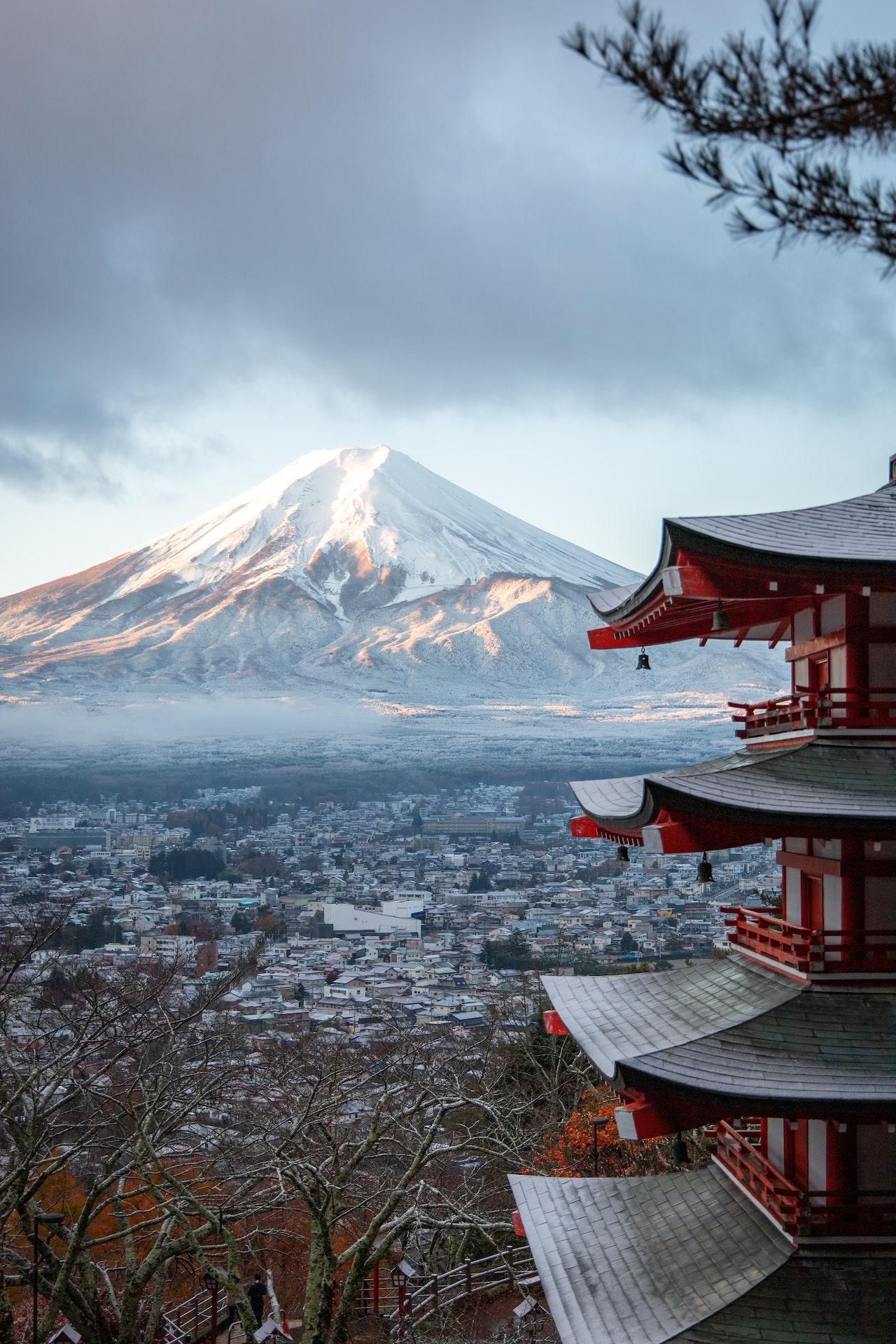
Mount Fuji. Without a doubt Japan's most recognizable landmark, majestic Mount Fuji is also the country's highest mountain peak. Towering 3,776 meters over an otherwise largely flat landscape to the south and east, this majestic and fabled mountain is tall enough to be seen from Tokyo, more than 100 kilometers away.
Mount Fuji has for centuries been celebrated in art and literature and is now considered so important an icon that UNESCO recognized its world cultural significance in 2013. Part of the Fuji-Hakone-Izu National Park, Mount Fuji is climbed by more than a million people each summer as an act of pilgrimage, which culminates in watching the sunrise from its summit.
Then again, simply viewing the majestic mountain from the distance, or from the comfort of a speeding shinkansen, is a memorable experience on its own.
For any serious otaku, Akihabara in Tokyo is an anime/manga paradise. Even if you aren’t a fan, Akihabara is worth experiencing for the height of artistic geekiness done the Japanese way.
Under towering Japanese signs and flashing lights, it’s easy to be dazzled and transported into a cartoon world. French-style maids tout you to enter a maid café while the hundreds of stores that line its streets have all the manga (comics), retro collectibles, and cutting-edge tech gadgets your otaku heart could want. Tokyo Anime Center, meanwhile, is especially foreigner-friendly and hosts live radio events where you can see anime artists and actors and get their autographs.
Getting around
Thanks to its excellent modern and efficient public railway system, Japan is an easy country to get around. Japan Railways (commonly abbreviated to “JR”) is responsible for more than 21,000 kilometers of rail lines, connecting all points to larger cities such as Tokyo and Osaka. The best of these is the Shinkansen bullet train, capable of traveling 320 kilometers per hour, making a trip such as Tokyo to Fukuoka - some 1,170 kilometers away - doable in just over six hours. Be sure to pick up your Japan Rail Pass or book your rail tours before departure to ensure savings.
In addition to JR services, there is a huge network of private railways, with each large city usually having at least one private train line that services it and the surrounding area. There are a couple of sleeper train services still in operation.
Air services in Japan, meanwhile, are extensive, reliable and safe. Flying is often faster and sometimes cheaper than shinkansen, though more harmful to the environment and offers less chance to see the wonderful Japanese scenery up-close.
Japan’s largest carriers, Japan Airlines (JAL) and All Nippon Airways (ANA), serve around 50 airports and 100 domestic routes in Japan.
What to Eat
In 2013, traditional Japanese cuisine or washoku, was designated a UNESCO Intangible Cultural Heritage, in recognition of the social and culinary customs that have been passed down in Japan for over a thousand years. It is only the second national cuisine to be put on this list (after French cuisine in 2010).
Known for the freshness of its ingredients as well as the almost artistic meticulousness in its preparation, Japanese cuisine offers a vast array of regional specialties that use traditional recipes and local ingredients which primarily revolve around seafood and vegetables, especially rice. Here are some of the most iconic Japanese dishes you will have to try when you visit Japan:
Sushi. The first thing people think of when they think of Japanese cuisine, sushi refers to a family of artfully presented dishes made with vinegared sushi rice and a variety of ingredients, such as nori (dried seaweed), raw fish and other types of seafood. It can be made with any type of fresh raw fish, including maguro (tuna), shake (salmon), hamachi (yellowtail), saba (mackerel), and unagi (freshwater eel) and is commonly eaten with pickled ginger, soy sauce, and a dab of wasabi (Japanese horseradish).
Sashimi, on the other hand, refers to thinly sliced raw fish or seafood and even exotic raw meats. It is basically sushi minus the vinegared rice, and like sushi, it’s usually eaten with soy sauce, wasabi, and a side of radish.
Ramen is quickly becoming just as popular as sushi worldwide as a signature Japanese dish and refers to a noodle soup made with four basic components – the broth, tare (seasoning), wheat noodles, and toppings. Tare (or kaeshi) is the salty concentrated essence placed at the bottom of every ramen bowl. Together with the broth, it’s what determines the style of the ramen, of which there are four main types – shoyu (soy sauce), miso (fermented soybean paste), shio (salt); and tonkotsu (pork bone broth) and every region in Japan has its specialties.
Toppings between restaurants vary but ramen is usually topped with a variety of ingredients like chashu (thinly sliced braised pork belly), nori. ground pork, leeks, wood ear mushroom, scallions, bean sprouts, and a boiled ramen egg.
Tempura is a traditional deep-fried Japanese dish made mostly of seafood and vegetables coated in a light batter made with cold water and soft cake flour. Different types of fish, seafood, and vegetables are used to make tempura in Japan though ebi (shrimp) is the most popular.
The size of the piece has to enable one to be eaten in one bite and despite being deep fried, Tempura does not have an oily texture. Tempura is usually served with tentsuyu sauce that is a mix of consommé, sweet sake, soy sauce, ginger, radish and spices.
Okonomiyaki is a dish most closely associated with Osaka and Hiroshima and refers to a Japanese sweet-savory pancake dish made with a batter of flour, eggs, dashi, and shredded cabbage mixed with ingredients like pork belly, vegetables, and seafood (with the addition of yakisoba noodles in the Hiroshima style) which are then pan-fried on both sides then finished with a variety of toppings like a sweet and savory brown sauce, Japanese mayo, dried seaweed, and bonito fish flakes.
Finally, if the wide variety of Japanese dishes is too overwhelming for you to choose just one, consider going for a Teishoku or set menu that lets you try a bit of everything (rice and miso soup included) and makes a good choice for lunch or at tempura restaurants.
Overall
While Japan may be slightly smaller than the state of California when it comes to area, in terms of the wide diversity of it attractions, cuisines, and experiences, Japan is as dense as the whole of Europe, where you can travel an hour or two in any direction and arrive at a totally different and unique destination. This density of amazing places—from traditional to modern—in such a compact country is what makes Japan feel larger than it otherwise might. Most travelers only fully grasp this after a first visit, which often prompts a desire to return again to explore further. This puts Japan in an admirable position as one of the most popular countries tourists rate as the one they want to visit multiple times.
Gallery
More Reviews


