

One of the world's most ethnically diverse and developed nations, Canada's huge land mass also means the country is mostly majestic wilderness made up of boreal forests, mountain ranges, glaciers, huge lakes, and vast prairies dotted with thriving cities and metropolises.
About Canada
Canada is a country in North America that borders the USA. With ten provinces and three territories that extend from the Atlantic Ocean to the Pacific Ocean and northward into the Arctic Ocean, it is the world's second-largest country by total area, with the world's longest coastline.
One of the world's most ethnically diverse and multicultural nations due to immigration, Canada is a highly developed country with one of the highest nominal per capita income globally, and its advanced economy ranks among the biggest in the world. Its vast land mass also means the country is mostly majestic wilderness made up of boreal forests, mountain ranges, glaciers, huge lakes, and vast prairies dotted with thriving cities and metropolises such as Toronto, Vancouver, Montreal, and the capital, Ottawa.
Attractions and Things to Do
Nature lovers and adventurers around the world will find Canada to be an infinite paradise with diverse, exhilarating landscapes that range from sweeping coastal shorelines and glistening glacial lakes to rugged, mountainous national parks and lush taigas. Visit any part of Canada and you will experience beautiful, natural landscapes like no other.
And with a population that is just as diverse as its natural attractions, Canada’s complex Indigenous history and growing immigrant population make for increasingly cosmopolitan cities, cutting-edge art and architecture, and creative cuisine—all delivered with the quintessential Canadian politeness and graciousness its people are famous for.
While Canada is so huge that you won’t be able to take it all in just one visit, if you want to experience the very best of Canada, here are a couple of places to start off with:
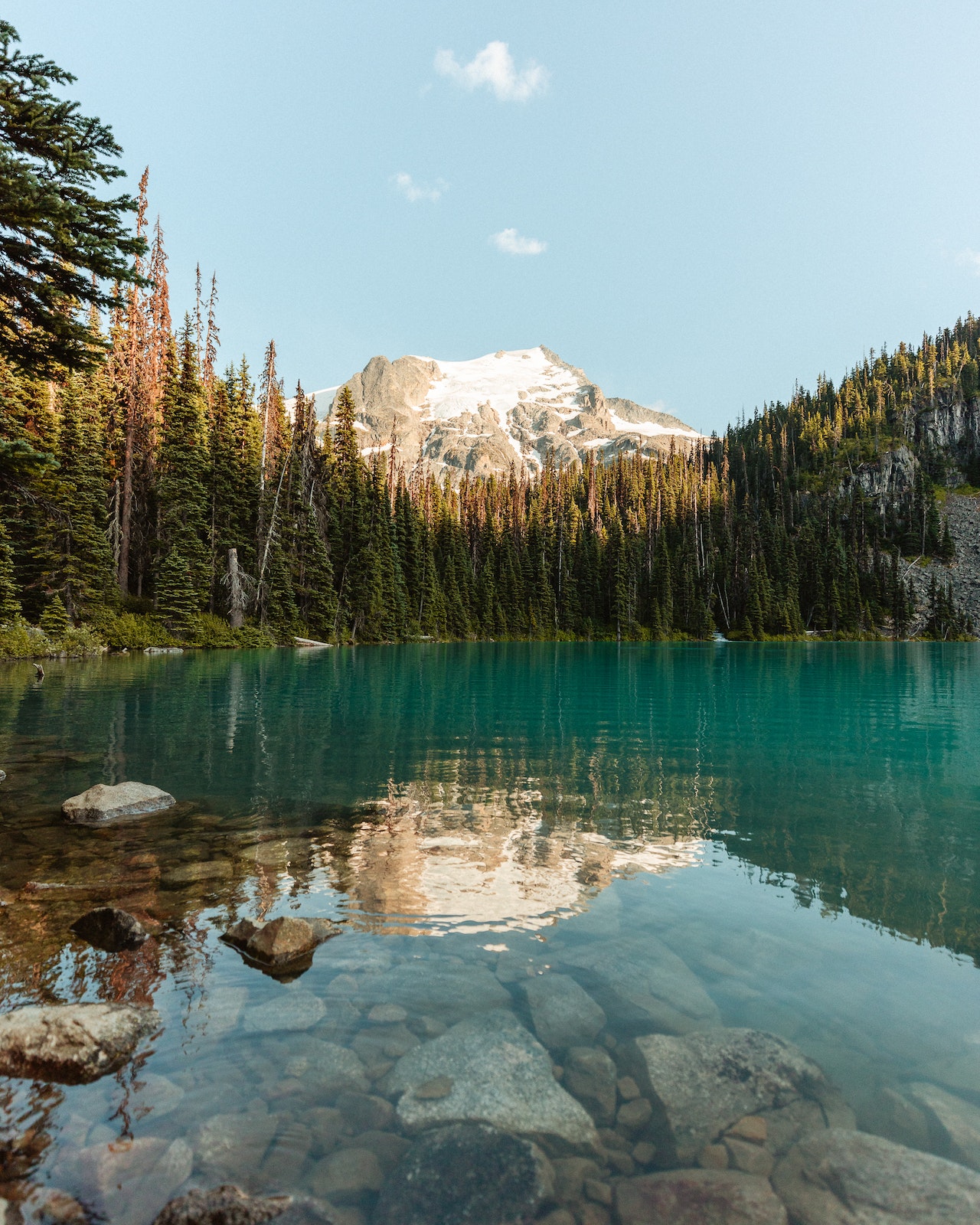
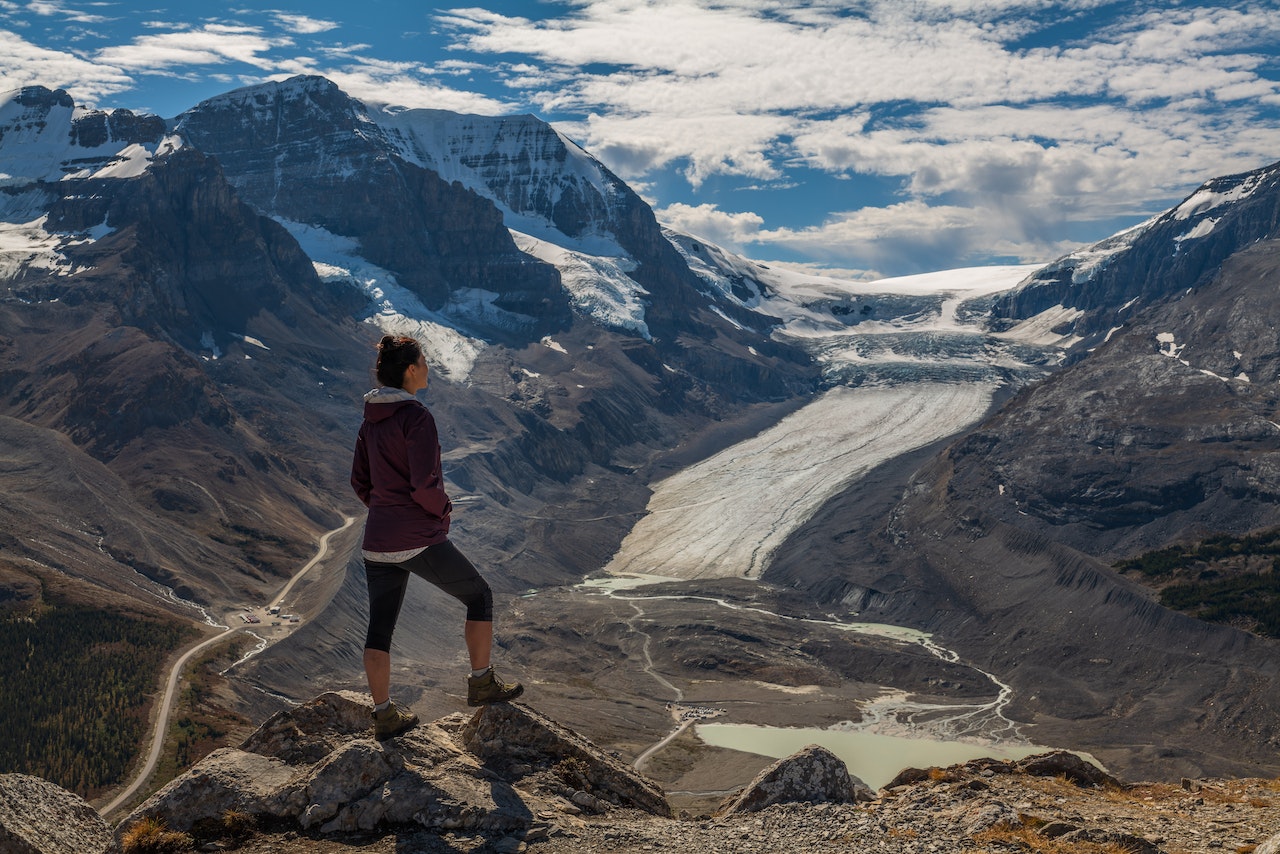
Banff National Park. Having a mix of Swiss Alps ski village charm with pristine wilderness, Banff caters to intrepid explorers who prefer to end the day in a nice hotel rather than roughing it at the campgrounds (though, there are plenty of those, too). A must-visit destination for anyone looking to explore the Canadian Rockies, Banff’s turquoise lakes set below glacier-capped mountains, are a glorious sight especially when traversed by kayak or by hiking its many scenic hiking trails clustered either around the Lake Louise area or along the Icefields Parkway.
In winter, meanwhile, skiers and snowboarders can descend on the area to enjoy the slopes of Lake Louise Ski Resort and Sunshine Village Ski Resort, two of Canada's best ski resorts.
Montreal, located in the French-speaking province of Québec, has its own cultural identity and is a unique city that represents the melding of the Old and New Worlds, with 18th-century structures blending into a 21st-century skyline. Old Montreal is the main tourist hub, with cobbled streets and fantastic old buildings, a perfect place to lose yourself as you wander up and down the ancient cobblestone streets of Vieux-Montréal. Here, you can explore historic cathedrals or grab a cappuccino at one of the traditional French cafes.
And just when you thought you'd seen it all, a short elevator ride exposes you to another city located several stories below ground level called the Underground City. A pedestrian network right under the heart of Montreal that links metro stations to shopping plazas for over 33 km (about 20.5 miles), it’s a great place to stroll, shop, and eat away from the hot blazing sun or the freezing snow, as well as a go-to destination for the whole family anytime.
Cape Breton Island. Take in the dramatic highlands and rugged coasts of Nova Scotia’s Cape Breton Island – considered one of the most beautiful islands in the world – from its famed Cabot Trail, a 299km (186-mile) highway loop spanning an eight-hour, non-stop scenic drive through forested river canyons, rural fishing villages and plenty of lookout points for admiring the coast. And if you want to explore on foot or bike, one third of the Trail runs into Cape Breton Highlands National Park, with 26 hiking trails to choose from.
Tours Available
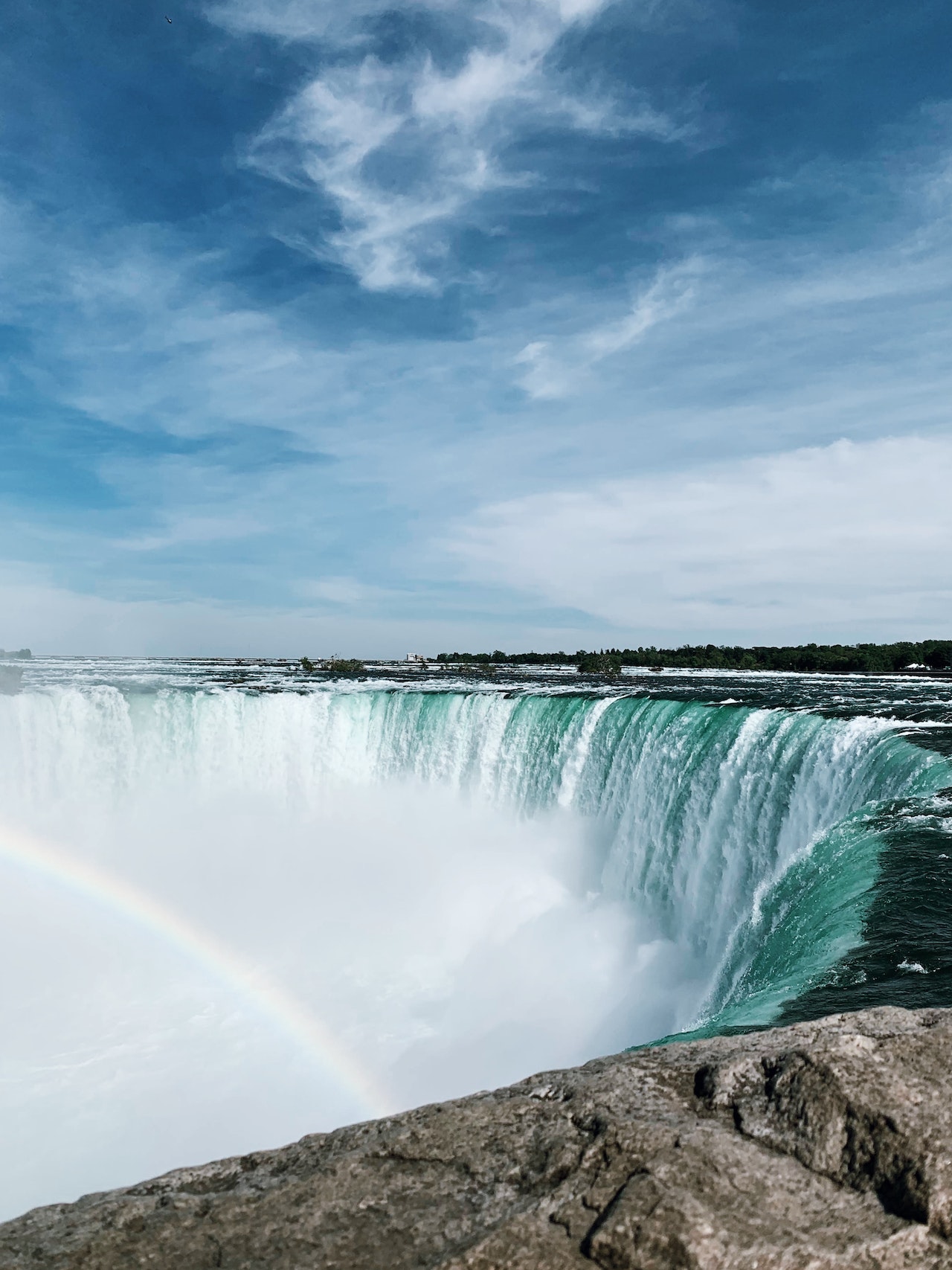
Canada's most famous natural attraction, the majestic Niagara Falls has been drawing sightseers—and daredevils—almost since its discovery. Just a short drive from Toronto, Niagara Falls is easy to reach, and it is a fun place to spend a day or two whether from above during a helicopter tour, seeing them up close by walking below and behind the falls with the Journey Behind the Falls attraction, or by boat cruises that allow you to get up close to the thundering torrent of water.
Towering 550m (1800ft) above Toronto and once the world’s tallest free-standing structure, the CN Tower has long been one of the country’s most popular attractions for its unbeatable, 360-degree views of the city and Lake Ontario. Make your first stop the LookOut Level on the 113th floor. Then drop down one floor to experience standing on the Glass Floor to look 1,122 feet (342 meters) down to the city streets below you or step out onto the Outdoor SkyTerrace.
The addition of the EdgeWalk—a wide ledge set outside the tower’s main pod— is the world’s highest hands-free external walk and the first of its kind in North America allowing you to walk hands-free around an outdoor platform, safely attached to a rail to prevent you from falling.
For a less adrenaline-pumped experience, consider booking a table at CN Tower’s revolving 360 Restaurant instead, where you’ll find award-winning Canadian-sourced cuisine served with an amazing 360 degree view of the Toronto skyline, and the “cellar in the sky,” the world’s highest wine cellar.
Getting Around
Canada spans 6 time zones across 10 provinces and 3 territories, and it is over 5000 km (3107 miles) from the west coast to the east coast. The country is so vast that it took countless explorers over the centuries to map out its entire borders and coastlines.
Traveling around the second-largest country in the world may not take as long but can get challenging depending on where you’re headed. But with new budget airlines, a national train service, and loads of car rental options, Canada is more accessible to travelers than ever.
All of Canada’s major cities have public transportation – subways, streetcars, buses, and bike routes are expanding all over the major metropolises of the country. On the other hand, if you want to city-hop across Canada, flying and taking the train—and the occasional ferry—from province to province to avoid renting a car is totally doable. Trains run in the more densely populated centers like the Toronto–Montréal corridor, while public ferries operate extensively in British Columbia, Québec, and the Maritime provinces.
If you want to cover large distances in a shorter period of time, Canada has a comprehensive network of domestic flights that covers every corner of the country via regional and national carriers such as Air Canada, WestJet, and their subsidiary airlines.
By far, however, traveling by private or rental car is the best way to see Canada. Having a car makes it super easy to jump from town to town, visit national parks, and stop at interesting places, which you just can’t do on any other form of transport. Exempting the northern territories, all of Canada is connected by the Trans-Canada Highway on which you could easily drive from Vancouver, British Columbia, to St John’s, Newfoundland, in a mere 76 hours without traffic.
What to Eat
For most Canadians, what qualifies as a “national” cuisine is a bit tricky in light of Canada’s size, diversity, and recent meteoric rise in immigration. However, Canada’s provinces and territories do share a love of some distinctive foods that originated from inside their borders, including:
Poutine. One of the many culinary gems to come out of French Canada, poutine has emerged as the definitive Canadian food and the country’s most famous dish. Several small towns in Québec claim to have invented it, said to date back to the 1950s. Authentic poutine uses a rich, peppery meat-based gravy and “squeaky” cheese curds on crispy fries. Variations are endless, though, and include additional toppings like pulled pork, bacon and smoked meat
Any Canadian diner with fries on the menu will typically offer poutine, including big chains like McDonald’s. But to find the most creative interpretations of Canada’s signature dish, head to the 24-hour, poutine-worshiping restaurant La Banquise for creative toppings; Montreal Pool Room for the greasy-spoon dish without the fuss; or national chain Smoke’s Poutinerie.
Maple Syrup. About 80% of the world’s maple syrup is produced in Canada, with Québec being the largest producer due to its abundance of maple trees—the country’s national tree with its leaf gracing the national flag. ‘Sugaring’ is the term used to collect and reduce the sap from the trees to produce the syrup, a process first discovered by Canada’s indigenous people.
It is a natural sweetener and can be found all over Canada from supermarkets to gift stores and it is a fabulous souvenir to bring home. It is versatile enough to sweeten many dishes, but in Canada, it is definitely the go-to for drenching over pancakes.
Nanaimo Bars. Named after the city in British Columbia, these no-bake sweet treats comprises three layers—a graham cracker crumb base layer, vanilla custard, and a thin layer of chocolate on top.
Split Pea Soup. Legendary French explorer Samuel de Champlain and his crew are credited with inventing split pea soup, a classic French Canadian food. The explorers used cured meats and dried peas that were intended to last on their long journey, along with vegetables and herbs cultivated from their new land. The result is a Canadian dish that has lasted centuries and is still thoroughly enjoyed today especially through the tough Canadian winters!
Overall
As the world’s second-largest country, the “Great White North” nation of Canada undoubtedly has it all—from wide open spaces and natural wonders to thriving cities and a vibrant, highly diverse community. Canada not only offers stunning views and adventure in every direction, but its people are unanimously considered as the nicest in the world as well. Just don’t underestimate Canada’s (cold) weather because, on the average, the weather remains pretty chilly all throughout the year, and even their summers can’t really be considered hot.
Gallery
More Reviews


